Will a Dash Cam Drain Your Car Battery? Real Numbers
Will a dash cam drain your car battery? Not with a low-voltage cutoff. Real parking-mode current draw, cutoff settings and runtime math for a 60Ah battery.
Disclosure: Dashlore earns a commission on purchases made through some links on this page, at no added cost to you. Scores come from the spec rubric, never from commission rates. Details
On this page
Key takeaways
- A hardwired dash cam with a low-voltage cutoff won't leave you stranded; the kit shuts the camera off before the battery gets too low to crank.
- BlackVue's manual lists the Elite 10-2CH at 380 mA in parking mode and 1 mA or less in Power Saving mode, at 12V.
- On a 60 Ah battery, spending a safe 10 to 15 Ah gives a 2-channel cam about 26 to 39 hours of active parking recording.
- If you park for days at a time, or drive mostly short trips, a dedicated dash cam battery pack protects the starter battery entirely.
A dash cam won’t drain your car battery if it’s wired with a low-voltage cutoff. The cutoff watches battery voltage and shuts the camera off before it drops too low to crank the engine. BlackVue’s Elite 10-2CH draws 380 mA in parking mode at 12V, enough for roughly 26 to 39 hours on a typical 60 Ah battery before the cutoff triggers.
The risk is real only when a camera runs parking mode without a cutoff, on a weak battery, or for days at a time. Below is how much power a dash cam actually uses, which cutoff to set, and how long you can park.
Will a dash cam drain my car battery?
It depends entirely on how it’s powered.
| Power method | Records when parked? | Battery risk |
|---|---|---|
| 12V socket that switches off with the ignition | No | None |
| 12V socket that stays live | Yes, until unplugged | High: no cutoff |
| Hardwire kit with low-voltage cutoff | Yes | Low: shuts off at the set voltage |
| Dedicated dash cam battery pack | Yes | None for the starter battery |
Most dash cams we rank, including both cameras in this guide, are supercapacitor designs with no internal battery. That’s great for surviving a hot dashboard (our supercapacitor vs battery guide explains why), but it means they can’t record at all once external power stops. So parking mode always means one of the bottom two rows. Our dash cam parking mode explained guide covers what each recording mode does; this guide is about the power side. If you’re weighing whether parking mode is worth the install at all, our are dash cams worth it breakdown covers the broader case.
How much power does parking mode use?
Few makers publish this, which is why BlackVue’s manual is so useful. The Elite 10 technical specifications list average current at 12V:
| BlackVue Elite 10 mode | 1-channel | 2-channel |
|---|---|---|
| Normal recording (GPS on) | 320 mA | 510 mA |
| Parking mode (GPS off) | 260 mA | 380 mA |
| Power Saving mode | 1 mA or less | 1 mA or less |
Three things stand out. A second camera adds about 46% to parking-mode draw. Turning GPS off in parking mode saves power, which is why the parking figures are lower than normal recording. And Power Saving mode, where the camera sleeps and only wakes for an impact, draws almost nothing. Multiple reviewers confirm this: Daily Automotive’s review and BlackboxMyCar’s overview both note the Elite 10’s power-saving sleep draws under 1 mA, well below a typical car’s 50 to 85 mA parasitic drain, and boots in under one second when the G-sensor detects an impact.
VIOFO doesn’t publish current draw for the A229 Pro 2CH or its HK4 hardwire kit. The closest figure is indirect: VIOFO says its BP100 battery pack delivers “up to 32 hours of parking surveillance on a single charge (single-channel, 3W).” Three watts at 12V is 250 mA, in the same range as BlackVue’s single-channel 260 mA. It’s reasonable to plan on a 2-channel VIOFO drawing something similar to BlackVue’s 380 mA, but that’s our estimate, not a VIOFO spec.
Most detailed published power specs
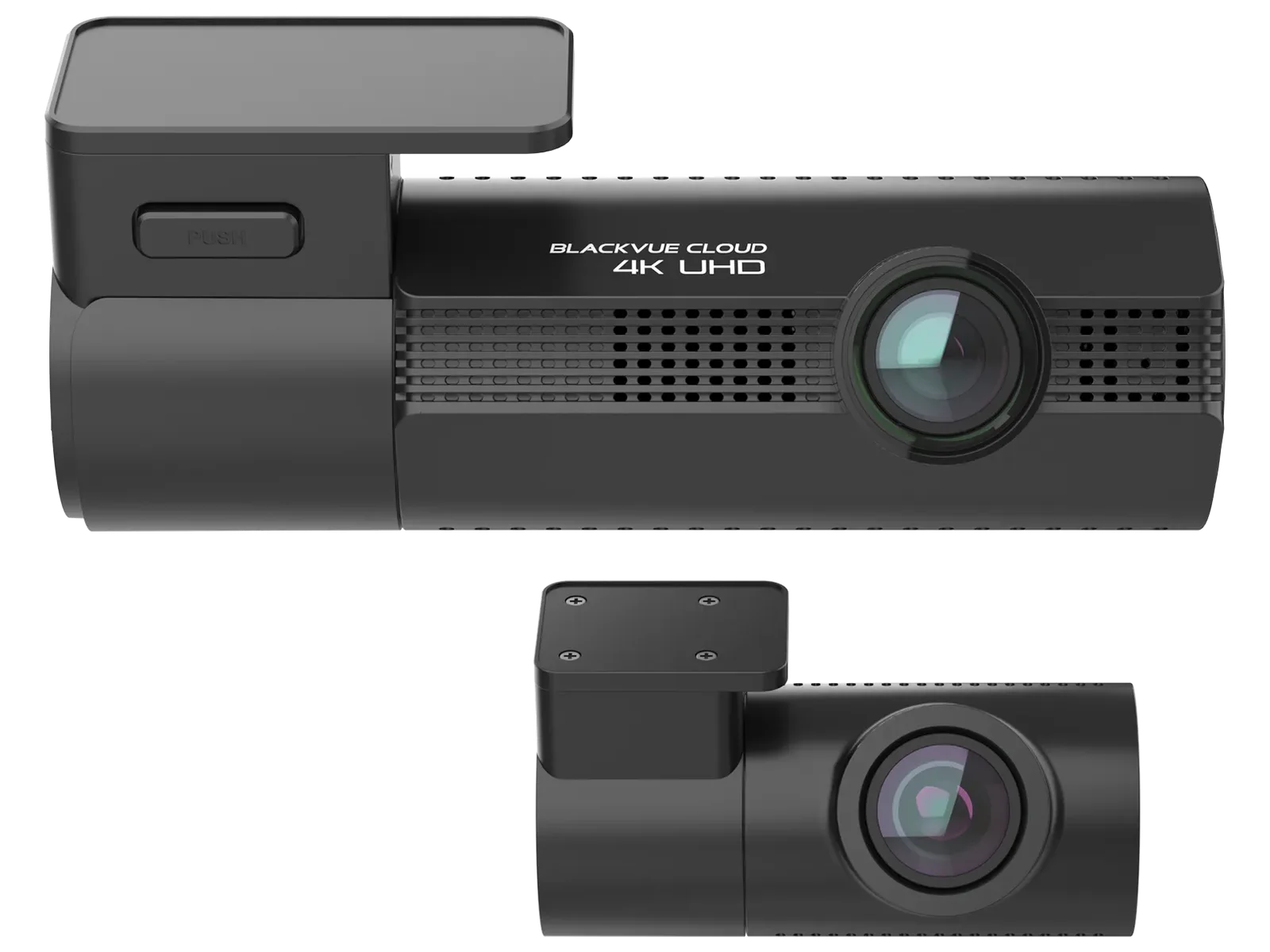
BlackVue Elite 10-2CH
- Front resolution
- 2,160 px
- Coverage (channels)
- 2
- STARVIS 2 sensor
- Yes
- Buffered parking mode
- Yes
What voltage cutoff protects the battery?
A hardwire kit with a cutoff watches battery voltage and cuts power to the camera when it drops to a threshold you choose. Pick the threshold too low and you’ll struggle to start; too high and parking mode quits early.
BlackVue’s Elite 10 manual lists a configurable cutoff of 11.8 to 12.5V for passenger vehicles and 22.8 to 24V for heavy vehicles, plus a timer cutoff of 1 to 48 hours. VIOFO’s HK4 hardwire kit accepts 12 to 24V and offers four cutoff options, though the product page doesn’t list the thresholds.
To translate those voltages into charge, here’s Battery University’s state-of-charge table for a 12V lead-acid starter battery at rest:
| Resting voltage | State of charge |
|---|---|
| 12.65V | 100% |
| 12.45V | 75% |
| 12.24V | 50% |
| 12.06V | 25% |
| 11.89V | 0% |
Those are resting readings, taken after 24 hours with no load. Under a dash cam’s load the voltage reads a little lower than the true charge would suggest, so a cutoff set at 12.2V leaves somewhat more than half the battery in reserve. That’s a sensible default.
How to choose your setting:
- 12.2V to 12.4V: cold climates, older batteries, or cars that sit for more than a day. Keeps the most reserve for cranking.
- 12.0V to 12.2V: a healthy battery, mild weather, and daily driving.
- 11.8V: the floor. Only for a new, healthy battery in warm weather when you want maximum recording time.
- 23V or higher: trucks and other 24V vehicles, within BlackVue’s 22.8 to 24V heavy-vehicle range.
Cold matters because a lead-acid battery delivers less cranking power at low temperatures while the engine needs more to turn over. If winter mornings are below freezing, move the cutoff up a step. Our parking mode setup guide shows where the cutoff and timer live in the VIOFO, BlackVue and Thinkware apps.
How long can a car sit with parking mode on?
Here’s the math, using a typical 60 Ah car battery. The cutoff stops the camera with plenty left, but to protect battery life and leave margin for cold starts, it’s wise to plan on spending only 10 to 15 Ah of it on the dash cam.
| Camera and mode | Draw | Hours from 10 Ah | Hours from 15 Ah |
|---|---|---|---|
| Elite 10, 1-channel parking mode | 260 mA | about 38 | about 58 |
| Elite 10, 2-channel parking mode | 380 mA | about 26 | about 39 |
| Elite 10, 2-channel normal recording | 510 mA | about 20 | about 29 |
| Elite 10, Power Saving mode | 1 mA or less | weeks | weeks |
So a 2-channel camera in full parking mode comfortably covers an overnight stop, a workday in an office car park, or a weekend if you set the timer. It won’t cover a week at the airport. For that, switch to Power Saving mode or a short timer, or add a battery pack.
Three real-world factors shrink those numbers. Short trips don’t fully recharge the battery, so a car driven 10 minutes a day may start each night already below full. Older batteries have less usable capacity than their label, sometimes much less. And SD card issues can cause the camera to work harder or behave unpredictably; multiple testers stress that dash cams in constant-write parking mode demand high-endurance SD cards formatted regularly. If your battery is more than four or five years old, raise the cutoff.
Do you need an external dash cam battery?
Most daily drivers don’t. A hardwire kit with a sensible cutoff is enough for overnight and workday parking. A dedicated battery pack is worth it if:
- your car often sits for several days at a time
- you mostly drive short trips that don’t recharge the starter battery
- you want long parking coverage, such as 24 hours or more of active recording, without touching the starter battery
- you drive an EV or hybrid with a small low-voltage battery
A pack charges while you drive and powers the camera when you park, so the starter battery is never involved. VIOFO’s BP100 is rated for up to 32 hours of single-channel parking at 3W, and BlackVue sells dedicated packs such as the B-130A for extended parking without using the vehicle’s battery.
What about EVs and hybrids?
EVs and hybrids still have a low-voltage battery that runs accessories, including anything plugged into the fuse box. It’s often smaller than a gas car’s starter battery, and when the car is asleep it may not be topped up from the main high-voltage pack. That makes the low-voltage battery more vulnerable to a parked dash cam, not less.
Some recent Tesla models also use a lithium-ion low-voltage battery instead of lead-acid, so the lead-acid voltage table above doesn’t map onto it. On any EV or hybrid, a dedicated dash cam battery pack is the safest route to parking mode, because it never draws from the car’s low-voltage system while parked. Tesla owners can also weigh the car’s built-in camera system; our Tesla Sentry Mode vs dash cam comparison covers that trade, and our best dash cam for Tesla roundup ranks picks that fit the Model 3 and Model Y.
The bottom line
A properly installed dash cam won’t strand you. Hardwire it with a kit that has a low-voltage cutoff, set the cutoff around 12.2V, use a parking timer, and a 2-channel camera drawing about 380 mA can watch your car overnight with a wide safety margin. Add a battery pack only if your car sits for days or your low-voltage battery is small.
Popular hardwire-kit pick (HK4)
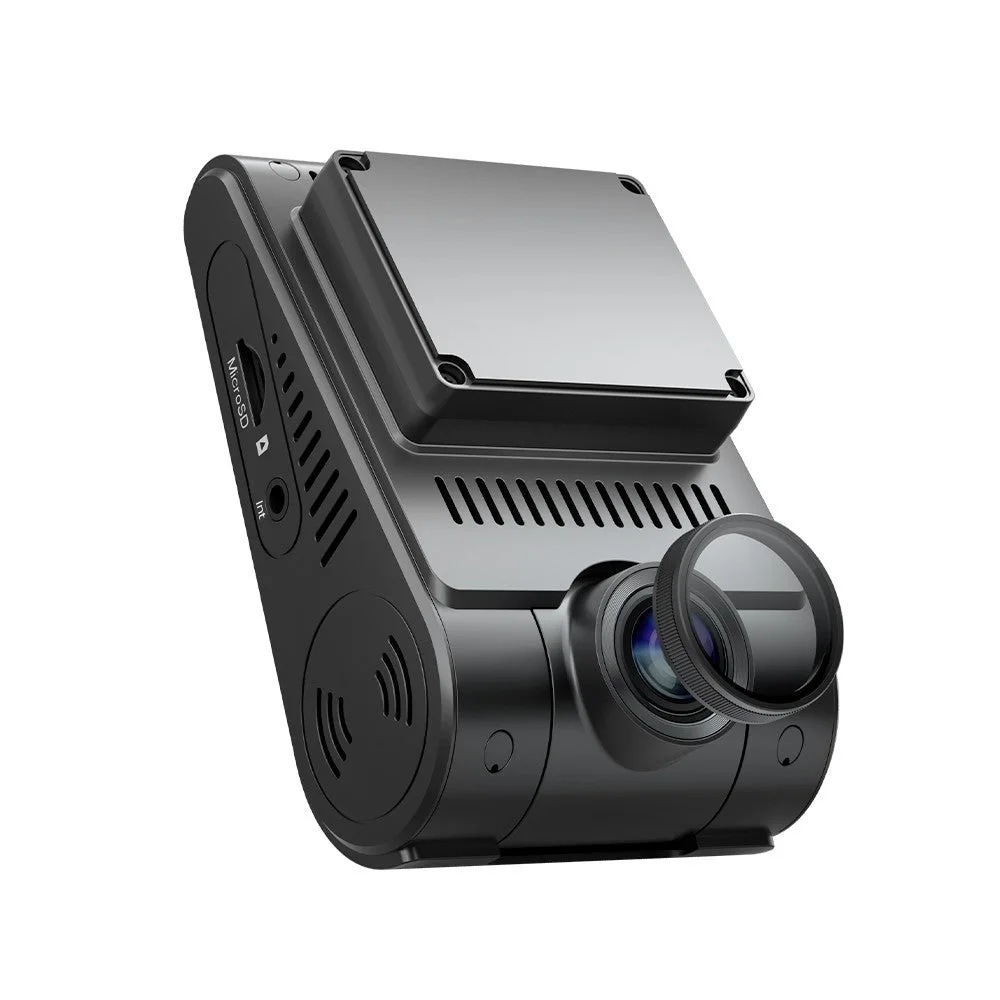
VIOFO A229 Pro 2CH
- Front resolution
- 2,160 px
- Coverage (channels)
- 2
- STARVIS 2 sensor
- Yes
- Buffered parking mode
- Yes
Ready to wire one in? Our how to hardwire a dash cam guide walks through the fuse-box install, and our best dash cam with parking mode roundup ranks the cameras with buffered parking. For a deeper look at how BlackVue and VIOFO compare across their lineups, see our brand comparison. Or browse every model in the dash cam rankings.
Frequently asked questions
Will a dash cam drain my car battery?
Only if it's wired for parking mode without protection. Plugged into a socket that switches off with the ignition, it draws nothing when parked. Hardwired with a low-voltage cutoff, it shuts itself off before the battery is too flat to start the car.
How much power does a dash cam use in parking mode?
BlackVue's manual lists the Elite 10 at 260 mA for one channel and 380 mA for two channels in parking mode at 12V, and 1 mA or less in Power Saving mode. VIOFO doesn't publish an equivalent figure for the A229 Pro.
What voltage cutoff should I set for a dash cam?
Start at 12.2V for a healthy battery in mild weather; a lead-acid battery resting at about 12.24V is roughly half charged. Raise it in cold weather or on an older battery, and use 23V or higher on a 24V truck.
How long can a car sit with parking mode on?
About a day to a day and a half of continuous parking recording on a typical 60 Ah battery, if you budget 10 to 15 Ah. A parking timer or Power Saving mode stretches that to several days.
Do I need a dash cam battery pack?
Not for daily drivers who park overnight. It's worth it if your car sits for days, you drive mostly short trips, your battery is small or old, or you drive an EV or hybrid with a small low-voltage battery.
Related reading
How-toDash Cams
How to Set Up Dash Cam Parking Mode the Right Way
How to set up dash cam parking mode on VIOFO, Thinkware and BlackVue: pick buffered or time-lapse, set sensitivity, choose a voltage cutoff, then test it.
How-toDash Cams
How to Hardwire a Dash Cam: Fuse Tap Install Step by Step
How to hardwire a dash cam with an add-a-fuse tap: find constant and ignition fuses, ground the kit, set a low-voltage cutoff and fix parking mode issues.
GuideDash Cams
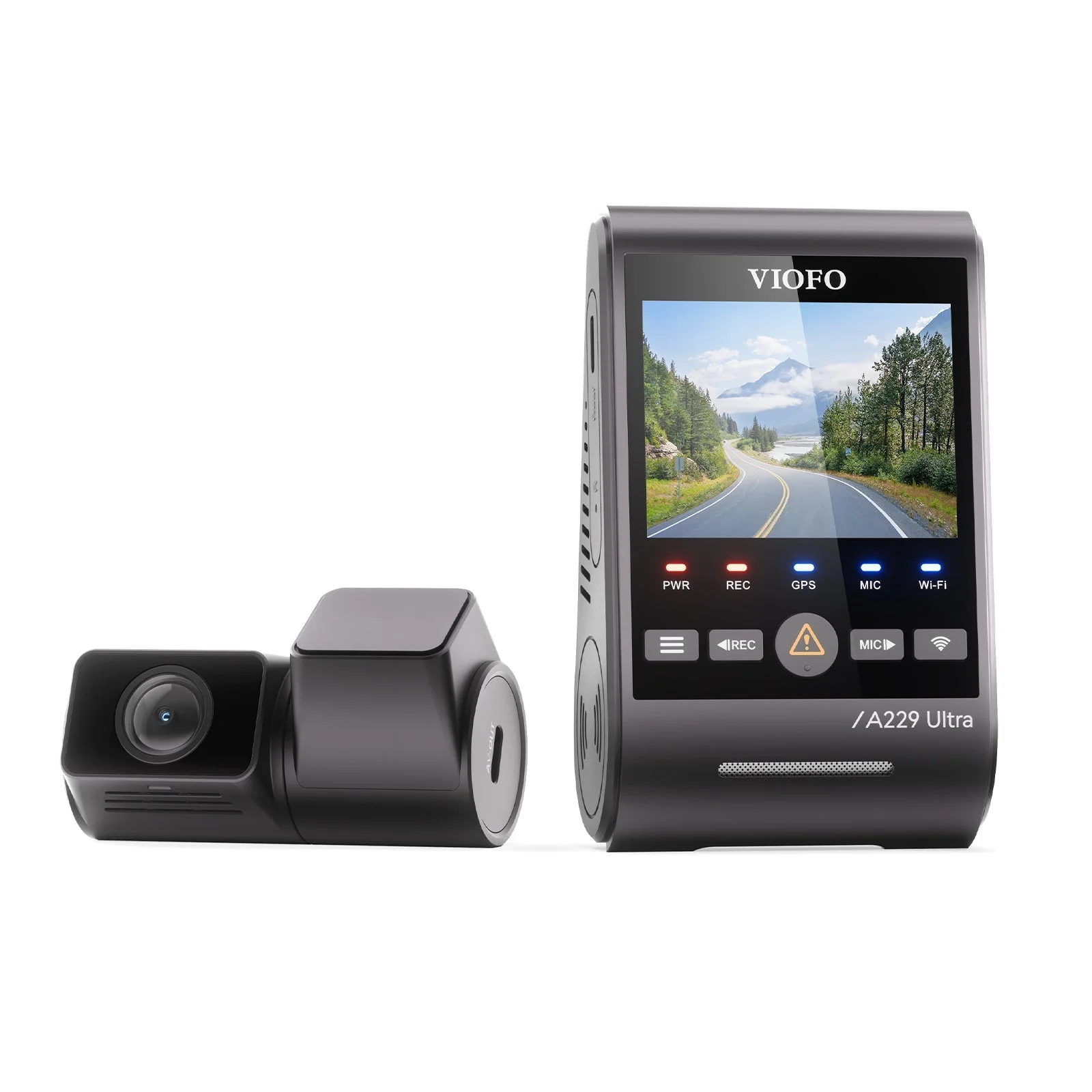
Supercapacitor vs Battery Dash Cam: Which Should You Buy?
Supercapacitor vs battery dash cam: why heat favors capacitors, what each means for parking mode, and the heat rating of every dash cam we track.
GuideDash Cams
How Does Dash Cam Loop Recording Work?
Dash cam loop recording explained: how clips overwrite oldest-first, what gets protected, how card size and bitrate set your history window.