Radar Detector Laws in Virginia: Why They Are Banned
Radar detector laws in Virginia: what Va. Code § 46.2-1079 bans, the fine, the unpowered-device exception, and what drivers passing through should do.
Disclosure: Dashlore earns a commission on purchases made through some links on this page, at no added cost to you. Scores come from the spec rubric, never from commission rates. Details
On this page
Key takeaways
- Virginia bans radar detectors in every vehicle: Va. Code § 46.2-1079 makes it unlawful to drive a vehicle equipped with one, to use one, or to sell one in the state.
- A violation is a traffic infraction with a fine of up to $250, no demerit points, and the officer can take the detector as evidence.
- The only exception for ordinary drivers: a detector with no power source that isn't readily accessible to anyone in the vehicle.
- Having a detector in the car is prima facie evidence; the state doesn't have to prove it was switched on or working.
Yes, it’s illegal to use a radar detector in Virginia. Va. Code § 46.2-1079 bans driving a vehicle equipped with one, using one, or selling one anywhere in the state. The penalty is a traffic infraction with a fine of up to $250 and no demerit points. Virginia and Washington D.C. are the only two US jurisdictions that ban detectors in passenger cars.
| State | Passenger vehicles | Commercial (10,001+ lbs) | Details |
|---|---|---|---|
| District of Columbia | illegal | illegal | 18 DCMR § 736 bans selling radar detectors in the District and using or possessing one in an automobile there, with an exemption only for U.S. Armed Forces vehicles. Source |
| Virginia | illegal | illegal | Va. Code § 46.2-1079 prohibits operating a vehicle equipped with, using, or selling any device that detects or interferes with police radar or laser speed measurement, except a device with no power source that is not readily accessible to the driver or passengers. Source |
Are radar detectors illegal in Virginia?
Yes, for every driver and every vehicle, regardless of your home state or where the car is registered. The ban covers three separate acts, and mere possession counts:
| What the statute covers | Unlawful in Virginia? |
|---|---|
| Driving a vehicle equipped with a radar or laser detector | Yes |
| Using a detector | Yes |
| Selling a detector in Virginia | Yes |
| Having a detector that’s turned off but within reach | Yes (presence is prima facie evidence) |
| Carrying an unpowered detector nobody in the vehicle can reach | No (subsection B exception) |
| Law-enforcement vehicles on official duty | No (subsection C exemption) |
This is stricter than every other state. Even states with windshield-mount restrictions, like California, allow detectors themselves. Our radar detector laws by state tool covers all 50 states plus D.C.
On top of the state ban, federal rule 49 CFR 392.71 prohibits detectors in every commercial motor vehicle nationwide, so Virginia truckers face both; our commercial vehicle radar detector laws guide covers that rule.
What does Va. Code 46.2-1079 say?
The statute is short. Four parts of it matter to drivers.
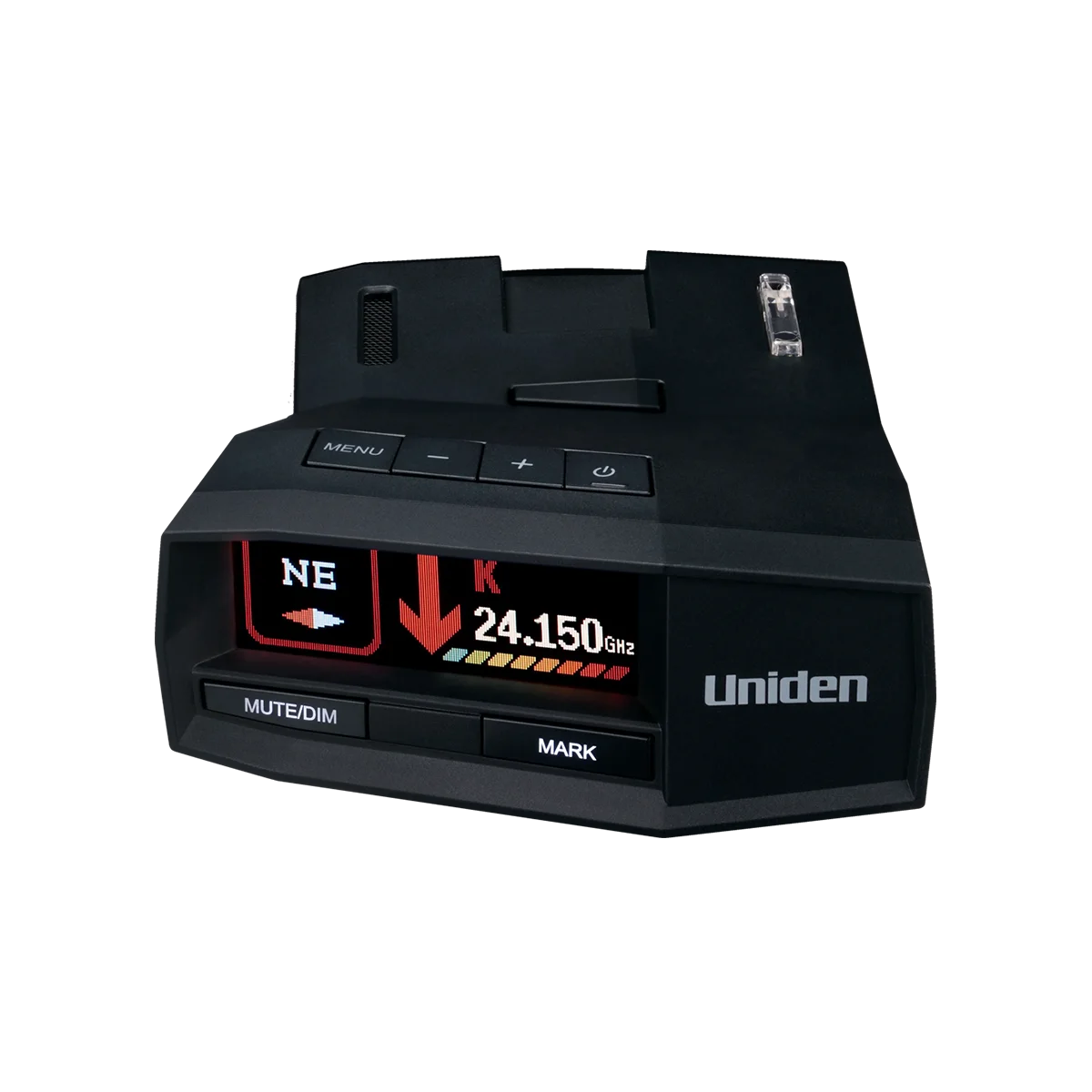
The ban (subsection A). It’s unlawful to operate a motor vehicle on Virginia highways “when such vehicle is equipped with any device or mechanism, passive or active, to detect” police radar, laser, or similar speed-measuring equipment, or to interfere with it. “Passive” covers ordinary detectors that only listen; “active” covers jammers that transmit. Using or selling such a device is also unlawful. Our guide to how radar detectors work explains the passive-detection side.
The evidence rule. The statute makes “the presence of any such prohibited device or mechanism in or on a motor vehicle” prima facie evidence of a violation. The Commonwealth doesn’t have to prove the detector was switched on, working, or in use. A detector sitting on the dash is enough, even if it’s unplugged. This is the detail that catches out-of-state drivers off guard.
The exception (subsection B). You aren’t guilty if the device “had no power source and was not readily accessible for use by the driver or any passenger in the vehicle.” Both conditions must be true at the same time.
Seizure and points. The officer may take the device as evidence, but the statute says that doesn’t authorize forfeiture. It must be returned when no longer needed as evidence, or mailed to an address you give at your expense. Unclaimed devices can be destroyed by court order six months after the deadline for an appeal. Under subsection D, the DMV Commissioner may not assign demerit points for this offense.
Subsection C exempts law-enforcement vehicles on official duty and sales to police agencies.
What is the penalty?
A radar detector violation is a traffic infraction, not a crime. Section 46.2-1079 doesn’t set its own fine, so the default in Va. Code § 46.2-113 applies: a fine no greater than the Class 4 misdemeanor maximum, which § 18.2-11 sets at $250.
| Consequence | Under Virginia law |
|---|---|
| Classification | Traffic infraction |
| Maximum fine | $250 (plus court costs) |
| Demerit points | None (barred by subsection D) |
| Criminal record | No |
| Detector | May be taken as evidence; not forfeited; returned or mailed back |
The detector stop often comes alongside a speeding ticket, which carries its own fine and demerit points. The bigger practical cost for many drivers is losing an expensive detector for weeks while the case runs.
Are radar jammers illegal in Virginia?
Yes, under both state and federal law. Va. Code § 46.2-1079 subsection A bans any device that interferes with speed-measuring equipment, which covers active radar and laser jammers alongside passive detectors. Separately, the FCC prohibits the marketing, sale, and operation of jamming devices under 47 U.S.C. § 333, with fines up to $100,000 per violation.
A laser jammer transmits pulses to confuse a police LIDAR gun. In states where detectors are legal, laser jammers are a separate legal question, but in Virginia both are banned by the same statute. Our radar detector bands explained guide covers how police LIDAR differs from radar.
Can you carry one unplugged?
Yes, but only in a way that meets both halves of subsection B. “Unplugged” alone isn’t enough.
- No power source. Disconnect the power cord from both the detector and the socket. A detector on the dash with its cord coiled beside it arguably still has a power source within reach. Cordless detectors with internal batteries are harder to argue; remove the battery if you can.
- Not readily accessible. The device has to be somewhere neither you nor your passengers can easily reach. The trunk, or a closed bag in a cargo area behind the seats, is the safest bet. A center console or door pocket is within reach by definition.
The statute doesn’t define “readily accessible,” so the most conservative approach is the right one. Treat it like the trunk, not the glovebox.
Is Waze legal in Virginia?
Yes. Virginia’s statute targets devices that detect radar or laser signals using a radio receiver. Waze, Google Maps speed-trap alerts, and similar GPS apps don’t detect anything; they relay crowdsourced reports pinned to map coordinates. A phone running Waze isn’t a “device or mechanism … to detect” police radar, so it falls outside section 46.2-1079.
A phone app can’t do what a hardware detector does, though. It can’t hear a radar gun aimed at you in real time. It only knows about a speed trap if another user reported it recently and accurately. Our radar detector vs Waze comparison covers what each one can and can’t warn you about. In Virginia, a GPS app is the only legal option for speed-trap alerts while driving.
Do police use radar-detector detectors in Virginia?
Radar-detector detectors (RDDs) pick up the faint local-oscillator leakage a detector’s receiver emits. Models like the Spectre and VG-2 are the ones detector makers design against. No published inventory confirms which Virginia agencies use RDDs, so the safe assumption is that any officer might. Our guide to how police detect radar detectors explains the technology.
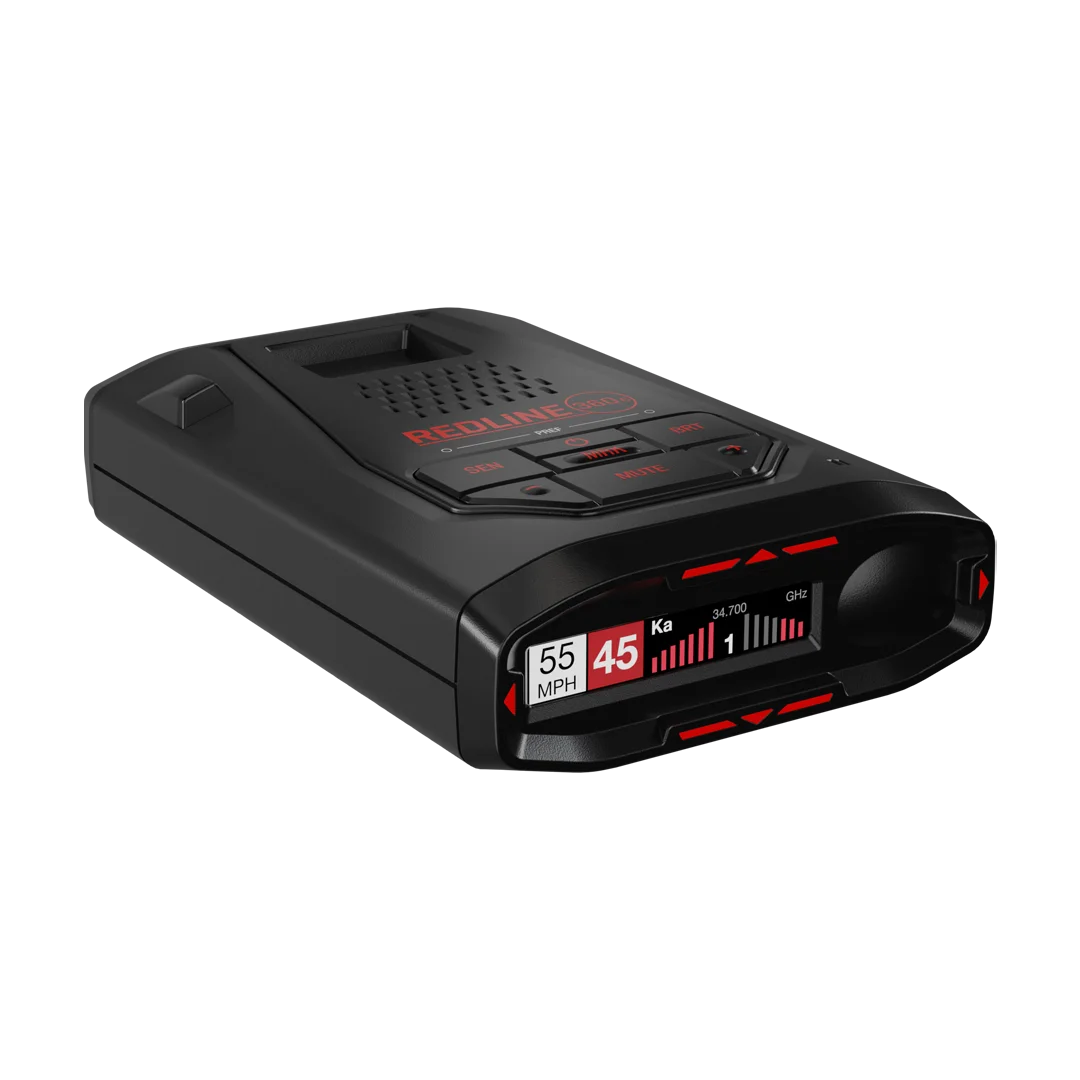
Some detectors are engineered to beat RDDs. POC Network’s review confirmed the Escort Redline 360c is completely undetectable by the Spectre III and all current RDDs, attributing its stealth to extra internal shielding that also accounts for its heavier 12.9-ounce weight. TechGearLab’s testing independently confirmed the same result. Uniden says its R-series is undetectable by Spectre I and IV, and Radenso claims the DS1 is stealthy against VG-2 and Spectre Elite. None of that changes the law. The statute makes the detector’s presence the offense, and an officer who spots one on a windshield doesn’t need an RDD at all.
Virginia also uses MultaRadar photo-enforcement radar in some jurisdictions. Our MultaRadar explainer covers that system, but in Virginia any detector capable of hearing it is illegal to have on the dash.
What should drivers passing through do?
If you’re entering Virginia from a state where detectors are legal:
- Before the state line, power down and disconnect. Pull the cord from the detector and the socket. If your detector is hardwired, disconnect the power lead at the fuse tap.
- Stow it out of reach. Trunk or rear cargo area, not the console or glovebox.
- Remove the mount if it’s obvious. An empty suction-cup ring on the windshield invites a question you don’t need.
- Repeat for Washington D.C. D.C.’s ban under 18 DCMR section 736 is broader: it covers possessing a detector in a vehicle, and its only exemption is for U.S. Armed Forces vehicles. Our D.C. radar detector law guide explains why stowing it doesn’t help in the District.
- Reinstall after you leave. Maryland, North Carolina, West Virginia, Kentucky, and Tennessee all allow detectors in passenger vehicles, though several restrict windshield mounting.
If you live in Virginia, a hardware detector isn’t a legal option. A GPS speed-trap app is lawful, or simply drive at the limit.
This page summarizes Virginia’s statute for general information and isn’t legal advice. Follow the source links for the current text.
Frequently asked questions
Are radar detectors illegal in Virginia?
Yes. Va. Code § 46.2-1079 makes it unlawful to drive on Virginia highways in a vehicle equipped with a radar detector, to use one, or to sell one in the state. Virginia and Washington D.C. are the only US jurisdictions that ban them in passenger cars.
What is the fine for a radar detector in Virginia?
It's a traffic infraction with a maximum fine of $250 under Va. Code § 46.2-113, plus court costs. The law bars demerit points for this offense.
Can I drive through Virginia with a radar detector in my car?
Only if it has no power source and isn't readily accessible to you or your passengers. Unplug it, disconnect the power cord, and pack it in the trunk or another place no one in the cabin can reach before you cross the state line.
Will police confiscate my radar detector in Virginia?
The officer can take it as evidence, but the law says it isn't forfeited. It must be returned, or mailed at your expense, once it's no longer needed; unclaimed devices can be destroyed by court order.
Is Waze legal in Virginia?
Yes. Waze and similar GPS-based apps use crowdsourced user reports, not radio-frequency detection. Virginia's statute targets devices that detect radar or laser signals, so a phone app that only shows map-based alerts isn't covered.
Are radar jammers illegal in Virginia?
Yes, under both state and federal law. Va. Code § 46.2-1079 bans devices that interfere with speed-measuring equipment. The FCC separately prohibits marketing, selling, or operating radar or laser jammers under 47 U.S.C. § 333, with fines up to $100,000.
Related reading
GuideRadar Detectors
Can Police Detect Radar Detectors? RDDs Explained
Can police detect radar detectors? Yes, with RDDs like Spectre and VG-2. Here's how they work, where police use them and which detectors claim stealth.
Best ofRadar Detectors
Best Escort Radar Detector: MAX and Redline Ranked
The best Escort radar detector is the Redline Ci 360c, and the Redline 360c leads portables. Every Escort we track ranked, with launch MSRPs and step-ups.
GuideRadar Detectors
How Do Radar Detectors Work? Antennas, Bands and Filters
How do radar detectors work? Receivers, antennas, laser sensors, GPS lockouts and stealth explained in plain terms, mapped to the specs that decide a pick.
VersusRadar Detectors
Escort MAX 360 MKII vs MAX 360c MKII: What Is the "c"?
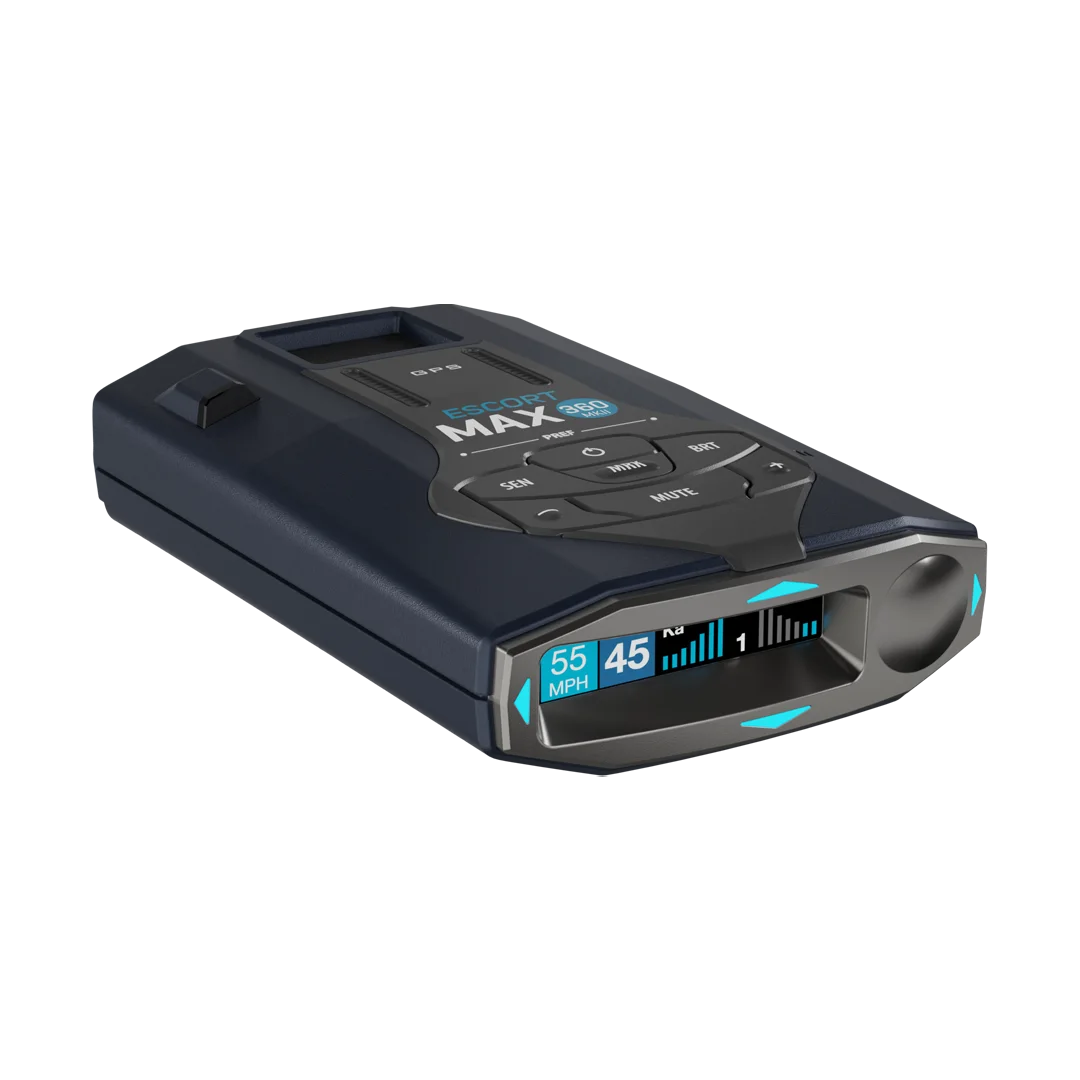
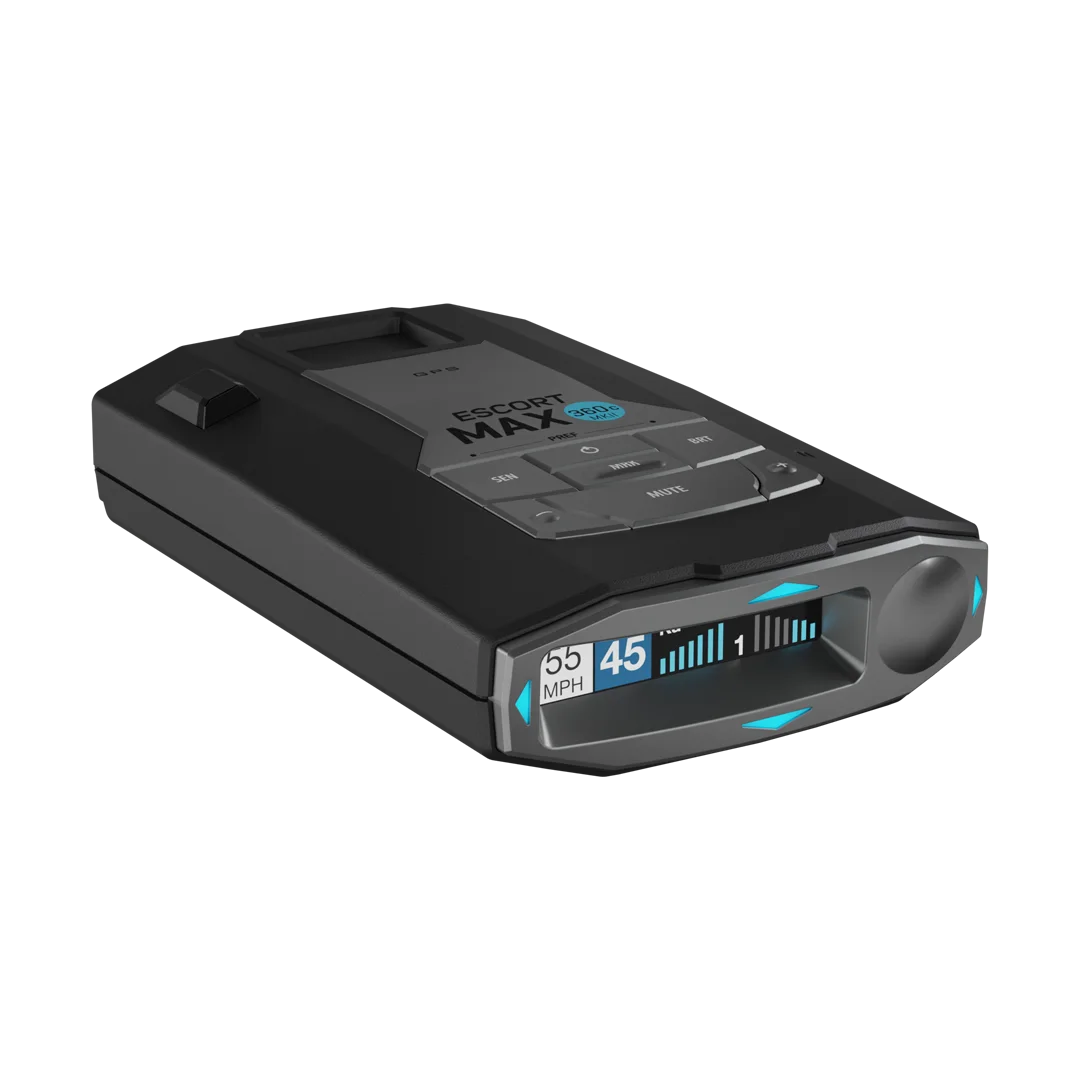
Escort MAX 360 MKII vs 360c MKII: same dual-antenna M13 platform and the same 9.0 score. The c adds dual-band Wi-Fi updates for $100 more at launch.